Have a quick scroll through any job site today.
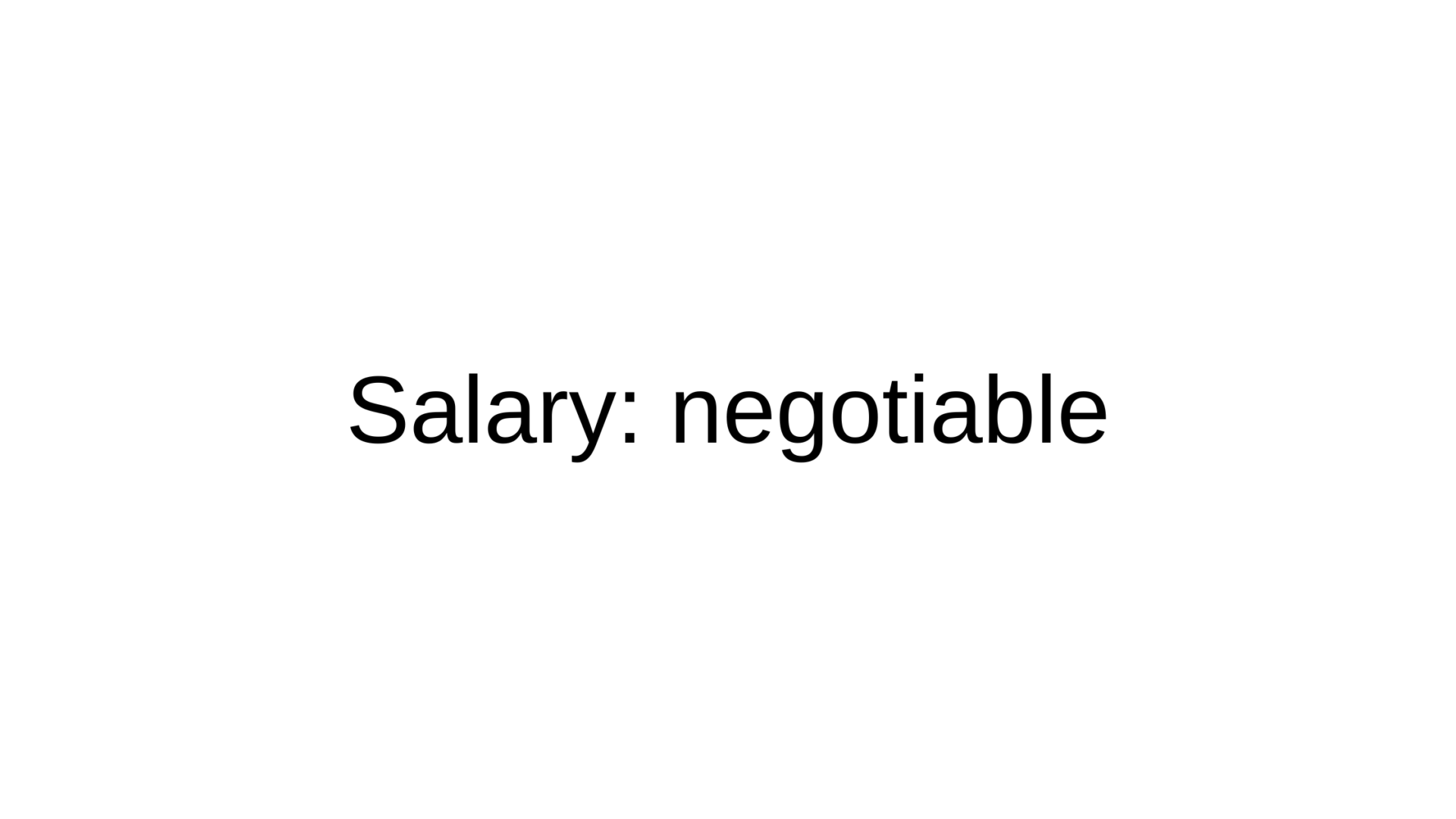
How many ads say “competitive salary”? How many say nothing at all?
Now count how many tell you, plainly, what the job actually pays.
According to Caterer’s 2025 salary and benefits report, 72% of hospitality candidates will drop out of an application if the salary isn’t clear. Recruiters have been saying it for years. And yet ad after ad still goes out with no figure attached.
So the question isn’t whether hiding salary costs operators candidates. That’s settled. The question is why so many are still doing it.
The understandable reasons
There are reasons, and some of them are fair.
You might want a wide range of applicants and worry that a bracket narrows the pool. You might be more interested in the right person than the right CV, and be prepared to take someone with less experience at a different number. You might not want a competitor clicking through and seeing what you pay. You might be open to going higher for someone exceptional and want the room to do it.
And then there’s the one nobody says out loud. You don’t want your existing team to see the number. Internal politics make the ad awkward. Someone on your current payroll is going to be unhappy.
These are real reasons. They’re not stupid.
The murkier ones
There are other reasons, too, and these are harder to defend.
Some operators hide the salary because they want room to low-ball. They’ve got a number in mind, but they’d rather ask the candidate “what are you looking for?” and meet that, than put the real figure on the ad. It’s cheaper if the candidate undersells themselves.
And they often do. People who don’t know what they’re worth tend to come in below what the operator would have paid anyway. This hits some groups harder than others. It hits women harder than men.
Why doesn’t it work?
Here’s the problem with all of it, understandable reasons included.
Candidates who know their worth don’t play. They apply for the job that tells them what it pays, because they’re not interested in guessing their way through a process just to find out at offer stage that the number doesn’t work.
If a candidate is comparing your ad against three others and two of them have published their salary, you’ve already lost. Not because your job is worse. Because you’ve made the candidate do extra work to find out something basic, and candidates with options don’t do extra work.
There’s also the trust question. Going through an application, an interview, a second stage, and a trial, without knowing what it pays, feels off to anyone paying attention. Candidates start wondering what else is being withheld. What’s the rota actually like? Are the tips pooled fairly? Is the holiday pay sorted? Am I going to be working more hours than the salary is worth?
The strange thing about hiring in hospitality is the idea that a truly invested candidate wouldn’t ask. That caring about the pay somehow means caring less about the job. It doesn’t. This is old-school mentally. Nobody works for free. No amount of “passion for the craft” pays rent. Pretending otherwise on a job ad doesn’t attract better candidates; it filters out the ones who have options.
And if you’re thinking the process is where you win them over, the interview, the trial, the chance to see the kitchen, that’s already too late. You’re making an impression the moment the ad goes live. The salary, or the absence of it, is the first thing a candidate reads about you.
What it actually looks like
At Tonic, we don’t post roles without a salary. It’s not a preference, it’s the rule. We push back on clients who want to leave it out, because we know what happens next: the ad sits there, the applications are thin, the good candidates are somewhere else.
If you’re posting ads and not getting the response you expected, that’s usually why. And if you’re wondering why the strong candidates never seem to reach you, we can tell you where they went. They went to the operator down the road, who told them what the job pays, talked about the shouted loud about the benefits, and trusted them to decide whether it was worth their time.
That’s not a candidate market problem. That’s an ad problem. And it’s the cheapest one in hospitality hiring to fix.